For growing businesses, choosing between a data center and a server room is a common challenge. While data centers are ideal for those who require high performance, scalability, and uptime, server rooms are better suited for smaller environments with modest infrastructure needs. By understanding the key differences of each option, you’ll be able to determine which solution best supports your current needs, budget, and future growth.
Server Rooms and Data Centers: 5 Key Differences
While serving similar functions, server rooms and data centers are designed with different capabilities in mind, especially in terms of scalability, infrastructure, and operations. Here are 5 key differences between a server room and a data center:
1. Scalability
A data center is a purpose built facility designed to support large scale IT systems that are critical to business operations. It’s most suitable for organizations that anticipate significant growth in high density deployments or changing operational demands. Additionally, data centers are built for future expansion, making them ideal for organizations that need additional power, cooling, and redundancy.
For a single organization or site, a server room provides a smaller localized space for internal systems. With a server room, they are typically suitable for organizations with steady workloads and limited expansion plans. This is especially ideal for environments with consistent IT demands and manageable growth that doesn’t require large scale expansion.
2. Infrastructure
Data centers support continuous operation with redundant power, cooling, networking, and backup systems that minimize downtime. These facilities usually include backup generators, uninterruptible power supplies, multiple cooling units, and redundant network paths. This helps keep systems running even if a component fails.
In comparison, server rooms typically rely on the building’s existing power, cooling, and network infrastructure. Though sufficient for smaller or less critical workloads, server rooms do have limited redundancy. This may lead to outages, equipment failures, or environmental issues, resulting in downtime that can negatively impact server room environments. While server rooms have limited redundancies, they still remain a practical and effective solution for organizations with stable workload demands and smaller infrastructure requirements.
3. Cooling
High heat loads are generated by dense IT equipment. To manage these heat loads, data centers are equipped with advanced cooling strategies such as hot and cold aisle containment, precision air conditioning, and dedicated cooling zones. These cooling strategies help organizations maintain consistent temperatures and improve energy efficiency. As a result, this allows data centers to efficiently support high density deployments while protecting equipment.
On the other hand, smaller server rooms use HVAC systems (Heating, Ventilation, and Air Conditioning). These systems regulate indoor environmental comfort by controlling temperature, humidity, and air quality in residential and commercial buildings. As equipment density grows, standard HVAC systems may struggle to provide the precise temperature control needed for small server rooms. But for smaller environments with stable workloads, HVAC systems are still a practical and budget-friendly solution for adequate cooling.
4. Security
Strong security measures are essential for protecting critical IT infrastructure. Both data centers and server rooms have efficient physical security protocols. But for larger environments, data centers have multiple layers of physical and digital security controls. This includes restricted access, surveillance, monitoring, and compliance standards to help safeguard systems and data. Overall, this layered approach reduces the risk of unauthorized access, data breaches, and physical threats.
Server rooms typically have more limited security controls and often rely on basic physical security measures. For smaller environments, this can be sufficient but it may offer less protection for highly sensitive or mission critical systems. Nonetheless, for organizations with server rooms, this level of security can be appropriate for their size, risk profile, and operational needs.
5. Cost
Cost and management requirements can vary significantly between a data center and a server room. Data center solutions often involve higher upfront investment and ongoing operational costs due to specialized infrastructure, cooling, power, and maintenance needs.
As for server rooms, they are typically more cost effective and easier to manage. This makes them a practical choice for organizations with smaller budgets, simpler requirements, or limited IT resources.
Solutions That Fit Your Infrastructure
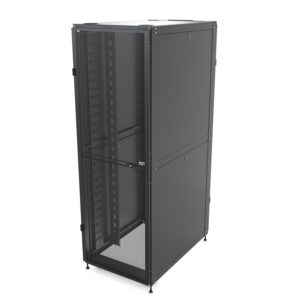
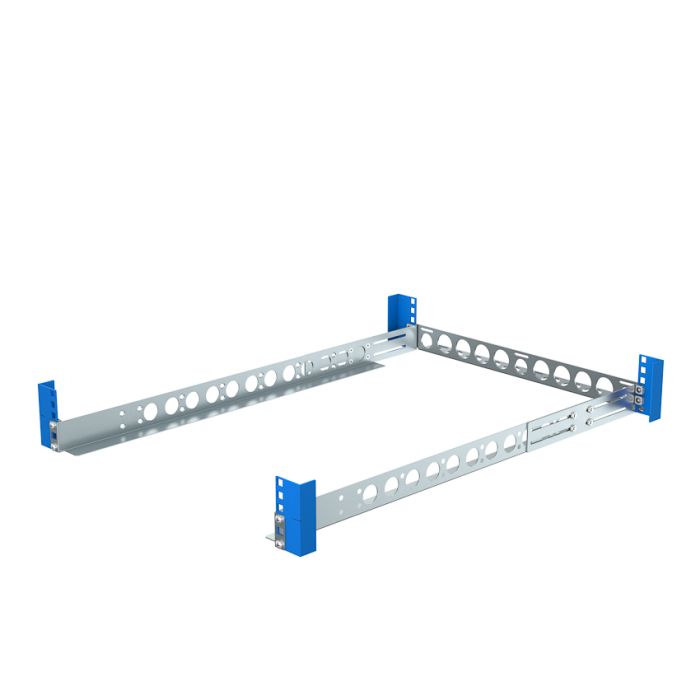
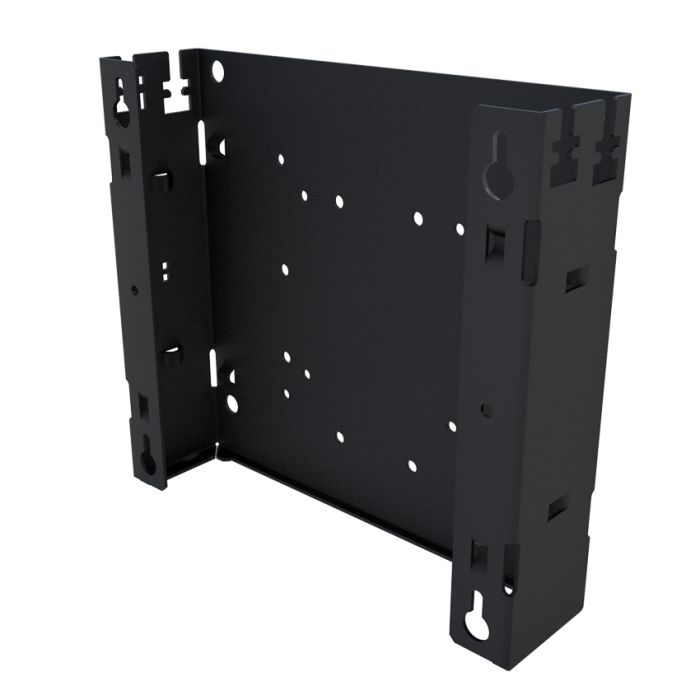
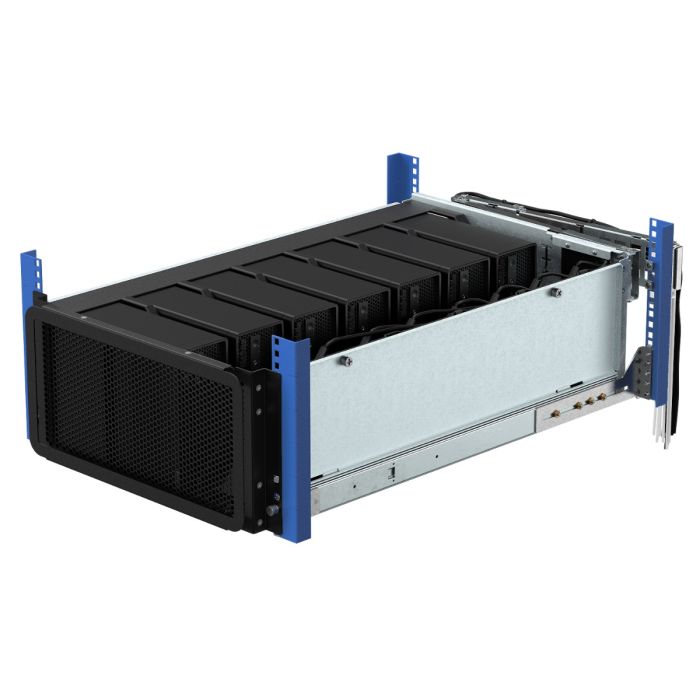
Whether you decide on a server room or a data center, RackSolutions offers a wide range of products for your needs and infrastructure requirements. From standard products to custom engineered solutions, our team designs and delivers solutions tailored to your space, equipment, and performance needs.
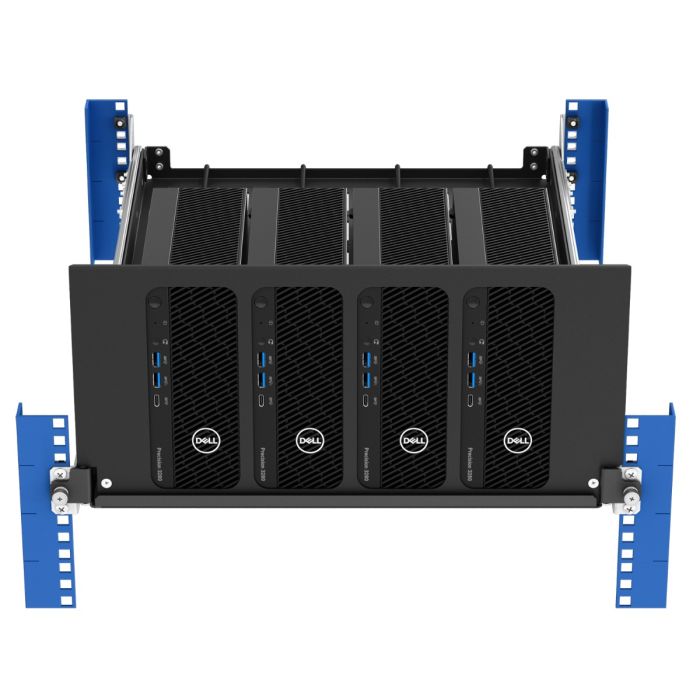
Contact us today and our support team will be ready to assist. With flexible options and proven reliability, we’ll make sure your environment is built to support both current needs and future growth!
FAQS: Server Rooms vs Data Centers
Which is better for a growing organization: a server room or a data center?
The correct choice depends on your organization’s growth plans and performance needs. Server rooms are great for stable workloads, but data centers offer better scalability and redundancy for long term growth.
Why are data centers more expensive than a server room?
Data centers typically involve higher upfront and operational costs, but they provide greater reliability and scalability. However, server rooms are more cost effective for smaller organizations or less complex environments.
Can a server room be upgraded to function like a data center?
While improvements can be made, server rooms lack the infrastructure needed to match a data center’s capabilities in power, cooling, and redundancy.